 |
 |
 |
 |
 |
 |
 |

 |
Often I'm asked to cite my "Top
Ten" from the classic film noir era, so I figured it
was about time to post something "definitive." Take this with a grain of salt, because I am not one to apply academic criteria to art, popular or otherwise. These are simply films that I have viewed and enjoyed multiple times, and expect to appreciate even more as time goes on. |
A "classic" is in the eye of the beholder anyway; to me there's only one way to assess a film's greatness—is it still engrossing the sixth time you've seen it? Because our goofy culture loves to see everything ranked, I'm even putting them in order of preference, although it's ridiculous to think that Night and the City is somehow 2.6% better than Out of the Past. Consider the listing a sort of carnival barometer, ranging from INFATUATED to PASSIONATE. |
|||
|
|||||
 |
 |
||||
|
|||||
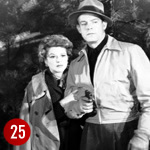
| RAW DEAL Eagle-Lion, 1948. Rambunctious pulp made transcendent through Anthony Mann's direction, John Alton's lighting, and a satisfying gender switch in which the Angel and the Tramp duke it out over the guy. |
CITY
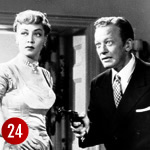
THAT NEVER SLEEPS Republic, 1952. Any movie that is narrated by the city itself earns special honors for cinematic chutzpah. Plus, its got Marie Windsor and William Tallman as lovers. That's noir. |
||||
|
|||||
 |
 |
||||
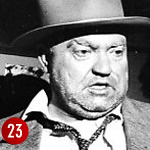
| TOUCH OF EVIL Universal, 1958. Under all the visual razzle-dazzle there's a genuinely moving story: Pete Menzies turning Judas on Hank Quinlan, the mentor who's become a monster. Just imagine Ricardo Montalban instead of Heston. |
SCARLET STREET Universal, 1945. Deeply perverse, and immensely enjoyable for the ways writer Dudley Nichols and Fritz Lang run circles around the Production Code. Were the three leads ever any better? |
||||
|
|||||
 |
 |
||||
| DETOUR PRC, 1945. You'd have thought it would lose the mystique, being liberated from the limbo of "Movies Till Dawn" and mass-distributed on DVD. Incredibly, it still casts its fetid, doom-laden spell, every time. |
TOMORROW IS ANOTHER DAY Warner Bros., 1951. If WB had gone with a tragic finish—imagine Cochran throttling Roman only to learn he wasn't guilty in the first place—this hard-as-nails road picture would be a classic. |
||||
|
|||||
 |
 |
||||
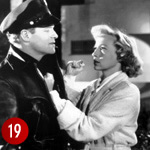
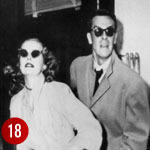
| THE PROWLER United Artists, 1950. Silent producer John Huston's goodbye gift to wife Evelyn Keyes: a terrific role in a truly weird film. Dated by the pregnancy angle, but relentlessly compelling. |
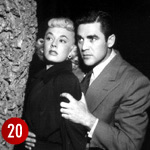
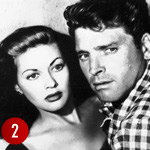
GUN CRAZY United Artists, 1950. No picture before or since has more deliriously used side arms as sexual symbols. Loopy, corny, overheated, but one big adrenaline rush of creative moviemaking from start to finish. |
||||
|
|||||
 |
 |
||||
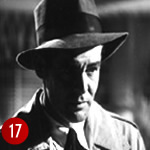
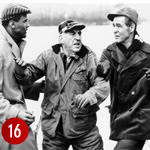
ACT OF VIOLENCE |
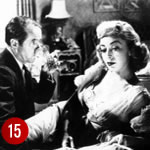
ODDS AGAINST TOMORROW United Artists, 1959. Abraham Polonsky had always wanted to make a film about the African-American experience, but ghostwriting this was as close as he got. Robert Wise's best noir, hands up. |
||||
|
|||||
 |
 |
||||
| THE KILLING United Artists, 1956. If you believe that a good script is a succession of great scenes, you can't do better than this. Hey, that scene was so good, let's do it again from somebody else's perspective. |
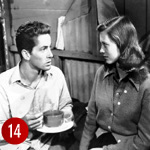
THEY LIVE BY NIGHT RKO, 1949. Film noir's version of Romeo and Juliet, made with amazing conviction by Nicholas Ray. A smart, soulful film full of evocative details, including a wonderfully intricate soundtrack. |
||||
|
|||||
 |
 |
||||
|
|||||
|
THIEVES'
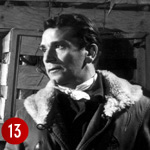
HIGHWAY 20th Century-Fox, 1949. Not nearly as uncompromising as the original novel, but a wonderful, politically-charged melodrama in its own right. This is the film that got me hooked on noir. |
SWEET SMELL
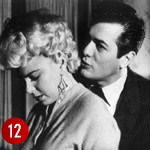
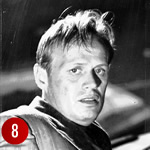
OF SUCCESS United Artists, 1958. Almost improvisational in the making, with the palpable hostility of the filmmakers seeping into every shot. All captured brilliantly by his serene highness, James Wong Howe. |
|||
|
|||||
 |
 |
||||
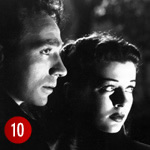
| THE KILLERS Universal, 1946. Hemingway's short story is fleshed out into an incredibly involuted screenplay, which Siodmak renders as the ultimate noir dreamscape. The Citizen Kane of crime movies. |
MOONRISE Republic, 1948. Relentlessly romantic optimistic Frank Borzage is the last guy you'd expect to turn out an effective film noir, but this was his sound era masterpiece, redemptive ending and all. |
||||
|
|||||
 |
 |
||||
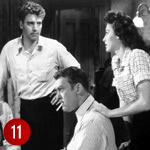
| OUT OF THE PAST RKO, 1947. Face it, the meandering script is saved by Frank Fenton's dialogue. But this is how we want noir to look and sound, so it gets cut lots of slack. Mitchum is great, Douglas never better, and Jane Greer is 22 years old. |
NIGHT AND THE CITY 20th Century-Fox, 1950. Even more baroque than Touch of Evil, the greatness of this film is its stubborn refusal to allow the tiniest ray of light into Harry Fabian's headlong descent in hell. Is this the ultimate noir ending? |
||||
|
|||||
 |
 |
||||
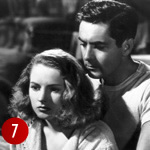
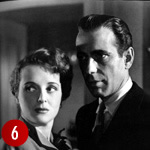
| NIGHTMARE ALLEY 20th Century-Fox, 1947. Little by little, as this film resurfaces in the mainstream, it will come to be seen as Tyrone Power's greatest contribution to the movies. "Pffft-Every boy had a dog!" |
THE MALTESE FALCON Warner Bros., 1941. Okay, it's talky, set-bound and not all that exceptional to look at. But it's the most brilliantly self-contained detective story ever written, perfectly cast. It never gets stale. |
||||
|
|||||
 |
 |
||||
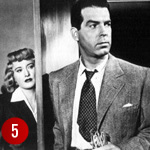
| DOUBLE INDEMNITY Paramount, 1944. Cain's basic blueprint has served as foundation for most of the unhappy homes in Dark City; but for that sloppy subplot with Nino Sachetti this would be #1. Too bad Wilder didn't make Postman, too. |
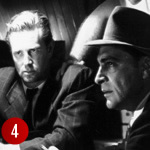
THE ASPHALT JUNGLE MGM, 1950. "I wouldn't cross the street to see garbage like that," said the head of the studio that made this, the granddaddy of all caper films. A pure "crime" film, with every character indelible. |
||||
|
|||||
 |
 |
||||
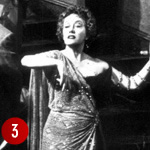
| SUNSET BOULEVARD Paramount, 1950. To those who think this isn't noir: Man uses woman. Woman uses man. Queasy sex. Betrayal. Madness. Gunshots. He's face down in the pool he always wanted. Case closed. |
CRISS CROSS Universal, 1949. Stupidly, I used to think there was something missing at the core. But it keeps getting better ever time I see it. De Carlo in the parking lot pleading straight to the camera might be noir's defining moment. |
||||
|
|||||
 |
|||||
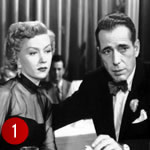
| IN A LONELY PLACE Columbia, 1950. This incredible rethinking of Dorothy B. Hughes' disturbing serial killer novel is as close as a studio film ever got to "personal filmmaking." No noir iconography, just a profound darkness of the soul. |
|||||